In-House IT Team vs External Technology Consultant: Which Is Right for Your Business?
How businesses use cybersecurity, cloud solutions, and flexible staffing to improve efficiency and security.
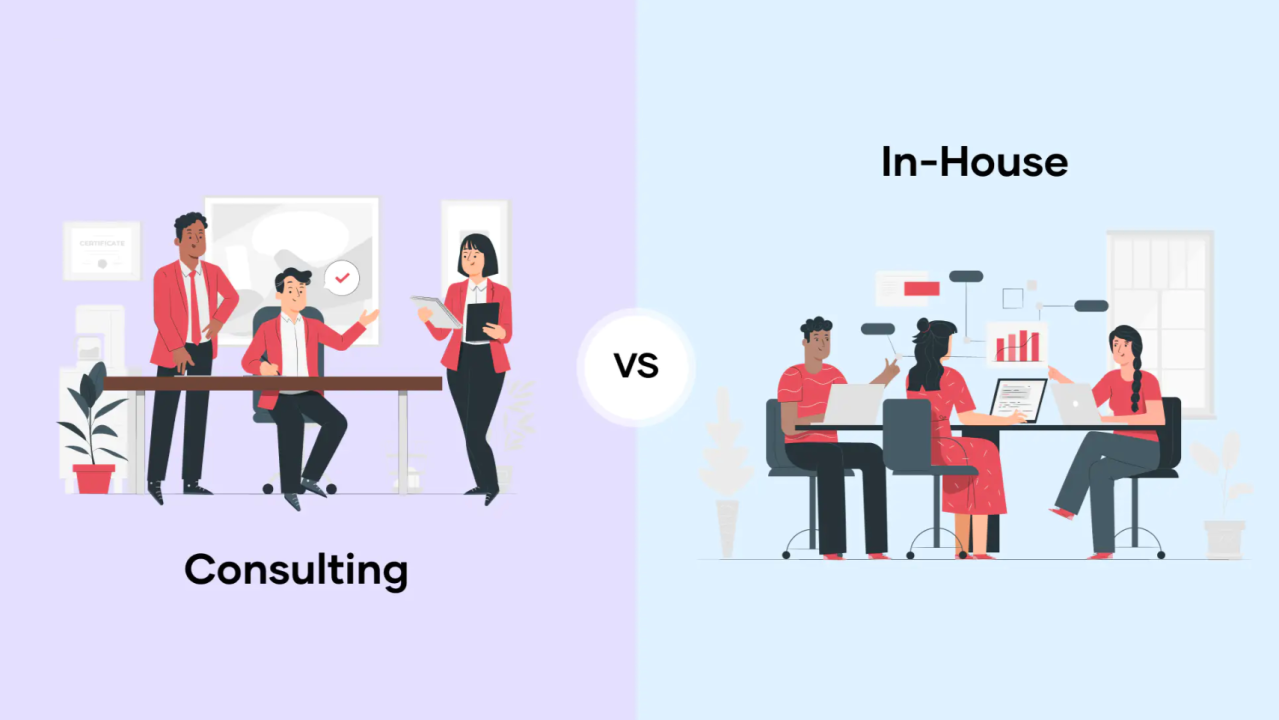
Technology is now at the centre of almost every business operation. From cybersecurity and cloud storage to customer service platforms and automation tools, companies rely heavily on IT systems to stay competitive. However, one major question continues to challenge business owners and decision-makers: should you build an in-house IT team or hire an external technology consultant?
Both options offer clear advantages, but they also come with limitations. The right choice depends on your company’s size, goals, budget, growth stage, and technical needs. Some organisations benefit from having a dedicated internal team that fully understands the business from the inside out. Others prefer the flexibility and specialist expertise that external consultants can provide.
In today’s fast-moving digital environment, making the wrong decision can lead to wasted budgets, security risks, operational inefficiencies, and missed opportunities. On the other hand, choosing the right IT support structure can improve productivity, reduce downtime, strengthen cybersecurity, and help businesses scale more effectively.
This article explores the differences between an in-house IT team and an external technology consultant, comparing their strengths, weaknesses, costs, scalability, and long-term value. Whether you are a startup, SME, or growing enterprise, this guide will help you determine which approach best suits your business.
Understanding an In-House IT Team
An in-house IT team refers to technology professionals employed directly by a company. These employees work internally and are fully dedicated to supporting the organisation’s systems, infrastructure, software, and technical operations.
An internal IT department may include:
- IT support specialists
- System administrators
- Network engineers
- Cybersecurity analysts
- Software developers
- Database managers
- IT managers or CIOs
Depending on the size of the business, the team may consist of one person managing everything or an entire department with specialised roles.
Key Responsibilities of an In-House IT Team
Internal IT teams usually handle:
- Day-to-day technical support
- Maintaining servers and infrastructure
- Managing hardware and software
- Monitoring cybersecurity threats
- Supporting employees with technical issues
- Managing company networks
- Implementing new systems
- Data backup and recovery
- Internal software development
- Compliance and security policies
Because they work within the organisation daily, they often gain a deep understanding of company processes, workflows, and long-term goals.
Understanding an External Technology Consultant
An external technology consultant is an outside expert or consulting firm hired to provide technical guidance, support, or specialised services. They are not permanent employees and usually work on a contract, project, or retainer basis.
Technology consultants may focus on areas such as:
- Cloud migration
- Cybersecurity
- Digital transformation
- IT strategy
- AI and automation
- Infrastructure upgrades
- Software implementation
- Data analytics
- Compliance and risk management
Some businesses hire consultants for short-term projects, while others maintain long-term partnerships for ongoing support.
External consultants often work with multiple industries and businesses, bringing broader experience and exposure to different technologies and best practices.
Advantages of an In-House IT Team
1. Deep Understanding of the Business
One of the biggest strengths of an internal IT team is familiarity with the organisation. Because they work closely with employees and departments every day, they understand:
- Internal systems
- Business workflows
- Company culture
- Long-term objectives
- Operational challenges
This knowledge allows them to provide tailored solutions that align closely with business needs.
For example, if a retail company uses highly customised inventory software, an internal team may understand its complexities better than an external provider.
2. Immediate Availability
When technical problems occur, internal teams are already present within the company. This allows for faster communication and quicker responses.
Employees can directly contact IT staff for:
- Hardware issues
- Password resets
- Software problems
- Connectivity issues
- System troubleshooting
Having people physically or virtually available can reduce downtime and improve operational continuity.
3. Greater Control Over Operations
An internal IT department gives businesses direct oversight over:
- Security policies
- Infrastructure decisions
- Technology investments
- Internal processes
- Data management
Management can prioritise projects according to company goals without relying on an external provider’s schedule or availability.
This level of control is especially important for industries with strict compliance requirements, such as finance, healthcare, or legal services.
4. Stronger Team Collaboration
Internal teams work closely with other departments, making collaboration easier. They can participate in meetings, understand ongoing projects, and build strong working relationships across the company.
This often leads to:
- Better communication
- Faster problem-solving
- More personalised support
- Improved alignment between technology and business objectives
Employees may also feel more comfortable approaching familiar colleagues for support.
5. Long-Term Strategic Development
An internal IT department can contribute to long-term technology planning and innovation.
Because they are fully invested in the company’s success, they may proactively identify opportunities for:
- Automation
- Efficiency improvements
- Cost reduction
- System upgrades
- Digital transformation
Over time, they can build a technology roadmap aligned with company growth.
Disadvantages of an In-House IT Team
1. Higher Costs
Building and maintaining an internal IT department can be expensive. Costs may include:
- Salaries
- Employee benefits
- Training and certifications
- Recruitment expenses
- Hardware and software
- Office space
- Equipment
Hiring experienced specialists in areas such as cybersecurity or cloud computing can be particularly costly.
For small businesses, maintaining a full-time IT department may not be financially practical.
2. Limited Expertise
Even highly skilled internal teams may not cover every area of technology.
Technology evolves rapidly, and businesses may require expertise in:
- AI integration
- Advanced cybersecurity
- Cloud architecture
- Compliance frameworks
- Data science
Hiring specialists for every niche area is difficult and expensive.
As a result, internal teams may struggle with highly specialised or complex projects.
3. Difficulty Scaling
As businesses grow, IT demands increase. Expanding an internal team requires:
- Recruitment
- Onboarding
- Training
- Additional salaries and infrastructure
Scaling can be time-consuming and resource-intensive.
In contrast, technology needs sometimes change suddenly, making it difficult for internal teams to adapt quickly.
4. Risk of Burnout
Small internal IT teams often manage large workloads with limited resources. This can lead to:
- Stress
- Burnout
- Reduced productivity
- Delayed projects
- Security oversights
Overworked employees may struggle to keep up with evolving technology demands.
5. Recruitment Challenges
Finding qualified IT professionals is increasingly competitive. Many businesses face challenges such as:
- Talent shortages
- High salary expectations
- Employee turnover
- Skills gaps
Losing key IT staff can also disrupt operations significantly.
Advantages of Hiring an External Technology Consultant
1. Access to Specialist Expertise
External consultants often bring advanced knowledge and specialised skills that internal teams may lack.
Because they work across multiple projects and industries, they stay updated with:
- Emerging technologies
- Industry trends
- Best practices
- Security threats
- Compliance changes
This expertise is especially valuable for complex projects like:
- Cloud migration
- AI implementation
- Cybersecurity audits
- ERP deployment
Businesses gain access to high-level expertise without needing to hire full-time specialists.
2. Cost Efficiency
Hiring consultants can be more cost-effective than maintaining a large internal IT department.
Businesses typically pay for:
- Specific projects
- Defined services
- Temporary support
- Retainer agreements
This eliminates many long-term employment costs such as:
- Benefits
- Pensions
- Office expenses
- Continuous training
For SMEs and startups, outsourcing technology expertise can significantly reduce operational costs.
3. Scalability and Flexibility
External consultants offer flexibility that internal teams often cannot match.
Businesses can scale services based on current needs:
- Increase support during major projects
- Reduce costs during quieter periods
- Access additional specialists when required
This flexibility helps businesses adapt quickly to changing demands.
4. Faster Implementation
Experienced consultants often complete projects more efficiently because they have handled similar tasks multiple times before.
They may already have:
- Proven methodologies
- Established frameworks
- Technical templates
- Industry experience
As a result, businesses can often implement solutions faster and reduce delays.
5. Objective Perspective
External consultants can provide unbiased insights into business operations and technology challenges.
Internal teams may become accustomed to outdated systems or inefficient processes, while external experts can identify:
- Hidden inefficiencies
- Security vulnerabilities
- Redundant systems
- Opportunities for automation
This fresh perspective often drives innovation and improvement.
Disadvantages of External Technology Consultants
1. Limited Business Familiarity
Unlike internal teams, external consultants may not fully understand the company’s:
- Culture
- Internal processes
- Team dynamics
- Long-term vision
This can sometimes lead to recommendations that are technically strong but less aligned with operational realities.
2. Potential Communication Challenges
Working with external providers may create communication barriers, especially if teams are remote or located in different time zones.
Miscommunication can lead to:
- Delays
- Confusion
- Misaligned expectations
- Project setbacks
Clear communication and strong project management are essential.
3. Dependence on Third Parties
Relying heavily on external consultants can create dependency.
If a consultant becomes unavailable or the partnership ends suddenly, businesses may struggle to maintain systems independently.
This risk is higher when companies outsource critical infrastructure without retaining internal oversight.
4. Data Security Concerns
Granting external providers access to sensitive systems and data may raise security and privacy concerns.
Businesses must ensure consultants follow:
- Strict security protocols
- Confidentiality agreements
- Regulatory compliance standards
Choosing trusted providers with strong reputations is crucial.
5. Ongoing Costs for Long-Term Projects
Although consultants can reduce employment costs, long-term reliance on external services may become expensive over time.
Complex projects or ongoing support agreements can accumulate significant costs if not carefully managed.
Comparing In-House IT Teams and External Consultants
Cost Comparison
In-House Team
- High fixed costs
- Salaries and benefits
- Long-term investment
- Infrastructure expenses
External Consultant
- Flexible pricing
- Lower upfront costs
- Project-based spending
- No employee overheads
For smaller businesses, consultants are often more affordable. Larger enterprises may justify internal departments due to ongoing operational needs.
Expertise Comparison
In-House Team
- Strong business-specific knowledge
- Limited specialist coverage
External Consultant
- Broad industry expertise
- Advanced specialist skills
Consultants are usually stronger for highly technical or niche projects.
Availability Comparison
In-House Team
- Immediate access
- Faster internal support
External Consultant
- Scheduled availability
- May support multiple clients simultaneously
Internal teams generally provide quicker day-to-day support.
Scalability Comparison
In-House Team
- Slower scaling process
- Recruitment challenges
External Consultant
- Highly scalable
- Flexible resource allocation
Consultants are often more adaptable for growing businesses.
Which Option Is Best for Small Businesses?
Small businesses and startups usually have limited budgets and evolving needs. In many cases, hiring an external technology consultant makes more sense because it offers:
- Lower operational costs
- Access to specialist expertise
- Flexibility
- Scalable support
Instead of employing multiple IT specialists, small businesses can outsource services as needed.
However, some growing SMEs may benefit from hiring one or two internal IT staff members while outsourcing specialist projects externally.
Which Option Is Best for Large Enterprises?
Larger organisations often require:
- Continuous IT support
- Internal infrastructure management
- Dedicated cybersecurity monitoring
- Complex system administration
For these businesses, maintaining an internal IT department is often essential.
However, even large enterprises frequently hire external consultants for:
- Major transformations
- Specialist expertise
- Independent audits
- Temporary project support
A hybrid approach is common among enterprise-level organisations.
The Hybrid Model: Combining Both Approaches
Many modern businesses choose a hybrid model that combines:
- An internal IT team for daily operations
- External consultants for specialist projects
This approach offers several benefits:
Internal Team Handles:
- Employee support
- Infrastructure maintenance
- Day-to-day operations
- Internal systems management
External Consultants Handle:
- Cybersecurity assessments
- Cloud migration
- AI integration
- Compliance audits
- Digital transformation projects
The hybrid model provides both operational stability and access to advanced expertise.
Factors to Consider Before Choosing
Before deciding between an in-house team and external consultants, businesses should evaluate several factors.
1. Budget
Determine how much your company can realistically invest in IT support.
Consider:
- Salaries
- Infrastructure
- Consultant fees
- Long-term scalability
2. Business Size
Smaller companies may not require full-time internal teams, while larger organisations often do.
3. Technical Complexity
Highly specialised projects may require external expertise regardless of company size.
4. Growth Plans
Fast-growing businesses may need scalable support structures that adapt quickly.
5. Security Requirements
Businesses handling sensitive data may prefer greater internal oversight combined with carefully selected consultants.
6. Internal Capabilities
Assess whether your current staff has the knowledge and resources to manage future technology demands.
Future Trends in IT Support
The debate between internal IT teams and external consultants is evolving alongside technology trends.
Several developments are shaping the future:
Remote IT Support
Cloud-based systems and remote working tools allow consultants to provide support from anywhere in the world.
AI and Automation
Businesses increasingly require specialist expertise in:
- Artificial intelligence
- Machine learning
- Process automation
External consultants often lead these advanced implementations.
Cybersecurity Priorities
As cyber threats become increasingly advanced, organisations are placing greater emphasis on cybersecurity than ever before. Ransomware attacks, phishing campaigns, data breaches, and system vulnerabilities can cause significant financial and reputational damage. Many businesses no longer have the resources or specialist knowledge to manage these risks entirely in-house. As a result, external cybersecurity consultants and managed security providers are becoming essential partners in modern business operations.
External cybersecurity experts offer specialised knowledge, advanced threat monitoring, and rapid incident response capabilities that many internal teams may lack. They also stay updated on emerging threats, regulatory changes, and best practices, helping organisations remain compliant and secure. By outsourcing certain cybersecurity functions, companies can strengthen protection while allowing internal teams to focus on day-to-day business activities and strategic goals.
Cloud-First Infrastructure
Cloud technology has transformed the way businesses manage their infrastructure. Instead of maintaining expensive on-site servers and hardware, many organisations are adopting cloud-first strategies that prioritise scalable and flexible cloud solutions. Platforms such as Microsoft Azure, Amazon Web Services, and Google Cloud allow businesses to access powerful computing resources without large upfront investments in physical infrastructure.
This shift reduces the need for large internal IT infrastructure teams responsible for maintaining servers, storage systems, and network equipment. Cloud providers handle many technical responsibilities, including updates, maintenance, and security management. Businesses can also scale resources up or down based on demand, improving operational efficiency and reducing costs.
Cloud-first infrastructure additionally supports remote working, collaboration, and global accessibility. Employees can securely access systems and data from different locations, making operations more flexible and resilient. As cloud adoption continues to grow, organisations are increasingly seeking external consultants who can assist with migration, optimisation, security, and cloud management strategies.
Flexible Workforce Models
Modern businesses are also rethinking how they structure their workforce. Rather than relying entirely on full-time internal staff, many companies are adopting hybrid workforce models that combine in-house management with outsourced expertise. This approach provides greater flexibility, scalability, and access to specialist skills.
Outsourcing certain IT or technology functions allows businesses to respond quickly to changing demands without the long-term costs associated with expanding internal departments. External consultants can provide support for short-term projects, specialised technical tasks, cybersecurity management, software implementation, or digital transformation initiatives.
Hybrid staffing models also help organisations remain agile in competitive markets. Internal teams maintain oversight of business operations and company culture, while external experts contribute industry knowledge and technical capabilities. This balance enables businesses to improve efficiency, reduce operational strain, and access high-level expertise whenever needed.
Final Thoughts
There is no universal answer to the question of whether businesses should choose an in-house IT team or an external technology consultant. The right solution depends on each organisation’s goals, budget, operational complexity, and long-term strategy.
An in-house IT team offers deeper business understanding, immediate availability, and stronger day-to-day collaboration. However, it also comes with higher costs and potential limitations in specialist expertise.
External technology consultants provide flexibility, scalability, and access to advanced technical knowledge. They can help businesses implement modern solutions quickly and cost-effectively, although they may lack deep familiarity with internal operations.
For many companies, the most effective solution is a hybrid approach that combines internal operational support with external specialist expertise.
Ultimately, businesses should focus on building a technology strategy that supports growth, improves efficiency, strengthens security, and prepares them for future digital challenges. Whether that involves an internal team, external consultants, or both, the goal should always be the same: using technology to drive long-term business success.